Navigating Oil and Gas Well Challenges on Rural Lands
The oil and gas industry plays a crucial role in powering economies and providing energy to communities. However, when it comes to drilling and operating wells on rural lands, a unique set of challenges arises. These challenges can impact not only the environment but also the local communities and economies. Understanding these issues is essential for stakeholders, including operators, landowners, and policymakers, to navigate the complexities of oil and gas extraction in rural areas effectively.
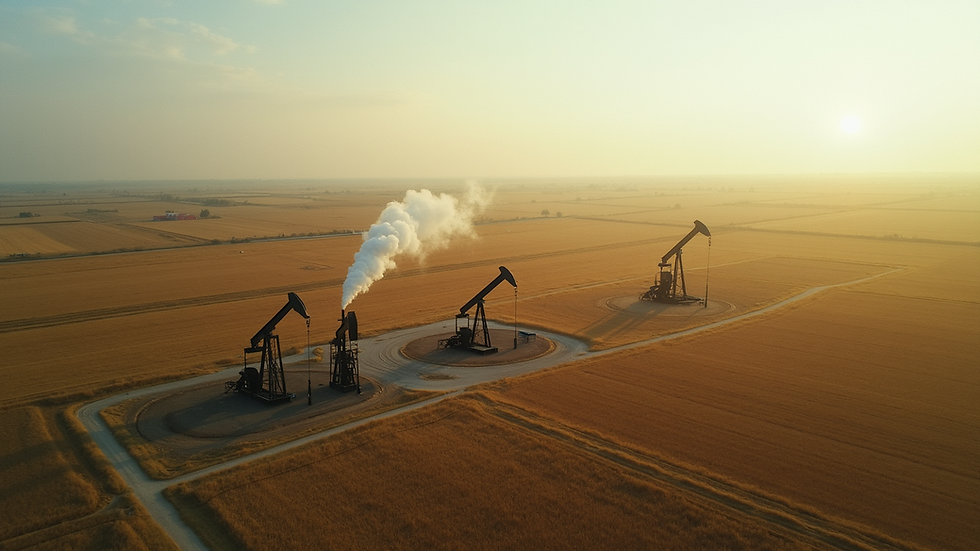
Understanding the Landscape
Rural lands often present a diverse range of ecosystems, agricultural activities, and community structures. The presence of oil and gas wells can disrupt these environments in various ways. Here are some key factors to consider:
Environmental Impact
Ecosystem Disruption: Oil and gas extraction can lead to habitat destruction, affecting local wildlife and plant species. The introduction of heavy machinery and infrastructure can fragment habitats, making it difficult for species to thrive.
Water Resources: Rural areas often rely on groundwater for drinking and irrigation. Oil spills or leaks can contaminate these vital resources, posing health risks to communities and damaging agricultural productivity.
Air Quality: Emissions from drilling operations can degrade air quality, leading to respiratory issues for nearby residents. Monitoring air quality is essential to mitigate these health risks.
Community Concerns
Land Use Conflicts: The introduction of oil and gas operations can lead to conflicts with existing land uses, such as farming or recreational activities. Landowners may feel pressured to lease their land for drilling, leading to tensions within communities.
Economic Impacts: While oil and gas operations can provide jobs and economic benefits, they can also lead to fluctuations in local economies. The boom-and-bust cycle associated with oil prices can create instability for rural communities.
Cultural Heritage: Many rural areas have deep cultural ties to the land. Oil and gas development can threaten historical sites and disrupt traditional practices, leading to a loss of cultural identity.
Regulatory Framework
Navigating the challenges of oil and gas extraction on rural lands requires a robust regulatory framework. Here are some key components:
Local Regulations
Zoning Laws: Local governments often implement zoning laws to manage land use. These regulations can dictate where oil and gas operations can occur, balancing economic development with community needs.
Permitting Processes: Operators must obtain permits before drilling. This process typically involves environmental assessments and public consultations to address community concerns.
State and Federal Oversight
Environmental Protection Agency (EPA): The EPA sets standards for air and water quality, ensuring that oil and gas operations comply with environmental regulations.
State Agencies: Each state has its own regulatory body overseeing oil and gas operations. These agencies enforce regulations, conduct inspections, and manage resources.
Technological Innovations
Advancements in technology are helping to address some of the challenges associated with oil and gas extraction on rural lands. Here are a few examples:
Improved Drilling Techniques
Horizontal Drilling: This technique allows operators to access oil and gas reserves from a single well pad, reducing the number of drilling sites needed and minimizing environmental impact.
Hydraulic Fracturing: While controversial, hydraulic fracturing has enabled access to previously unreachable reserves. Operators are now using more environmentally friendly fluids and techniques to reduce risks.
Monitoring and Mitigation
Remote Sensing: Technologies such as satellite imagery and drones are being used to monitor environmental impacts and detect leaks in real time, allowing for quicker responses to potential issues.
Water Management Systems: Innovative water management practices are being developed to recycle water used in drilling, reducing the strain on local water resources.
Community Engagement
Engaging with local communities is essential for successful oil and gas operations on rural lands. Here are some strategies for fostering positive relationships:
Open Communication
Public Meetings: Hosting regular public meetings allows operators to share information about their activities and address community concerns. Transparency builds trust and fosters collaboration.
Feedback Mechanisms: Providing channels for community members to voice their opinions and concerns can help operators understand local needs and adjust their practices accordingly.
Community Investment
Local Hiring: Prioritizing local hiring for jobs related to oil and gas operations can boost the local economy and demonstrate a commitment to the community.
Support for Local Initiatives: Investing in local projects, such as schools or infrastructure, can help build goodwill and strengthen community ties.
Case Studies
Successful Integration of Oil and Gas Operations
Example from Texas: In Texas, a rural community successfully integrated oil and gas operations by establishing a community advisory board. This board facilitated communication between operators and residents, addressing concerns and ensuring that local interests were considered in decision-making.
Example from North Dakota: In North Dakota, operators implemented a comprehensive water management plan that included recycling water used in hydraulic fracturing. This approach not only reduced environmental impact but also alleviated concerns about water scarcity in the region.
Conclusion
Navigating the challenges of oil and gas well operations on rural lands requires a multifaceted approach that considers environmental, community, and regulatory factors. By fostering open communication, investing in local communities, and leveraging technological innovations, stakeholders can work together to minimize negative impacts and maximize benefits. As the industry continues to evolve, it is crucial for all parties involved to remain engaged and proactive in addressing the unique challenges presented by rural oil and gas extraction.
By understanding these complexities, we can ensure that oil and gas operations contribute positively to rural communities while safeguarding the environment for future generations.


Comments